
A Complete 1-Day Death Railway Walking Tour Route
Kanchanaburi is a city filled with deep history and natural beauty. Walking the tracks provides a unique perspective on the past. This guide explores the best Death Railway walking tour route for visitors. You will see famous landmarks and quiet memorial sites along the way.
The route is manageable for most fitness levels if you plan well. It combines heavy history with scenic views of the River Kwai. Many travelers find this walk to be the highlight of their trip. It is important to understand the significance of every step you take.
Before you start, check this Kanchanaburi WWII sites walking map for navigation. This map helps you find hidden spots near the main tracks. Preparation is key to enjoying this somber yet beautiful journey. Let us dive into the perfect one-day walking itinerary.
1-Day Death Railway Walking Tour Route At a Glance
Learn more at Lonely Planet.
For current hours, prices, and announcements, start with UNESCO World Heritage Centre.
This section provides a quick overview of your daily schedule. It helps you visualize the flow of your historical exploration. The route focuses on the most iconic sections of the railway. You can adjust the timing based on your personal walking pace.The morning starts with the most famous landmark in the city. Afternoon sessions dive deeper into the tragic history of the area. The evening allows for reflection and local Thai culture. Follow this simple outline to maximize your time in Kanchanaburi.
Make sure to wear comfortable shoes for the uneven railway sleepers. The tropical sun can be quite intense by mid-morning. Carry enough water to stay hydrated throughout the entire walk. Respect the local customs while visiting these sensitive memorial sites.
- Day 1: Historic Bridge and War Memorial Sites
- Morning: Visit the historic River Kwai bridge.
- Afternoon: Explore the JEATH War Museum.
- Evening: Eat at the local night market.
Detailed 1-Day Death Railway Walking Tour Route
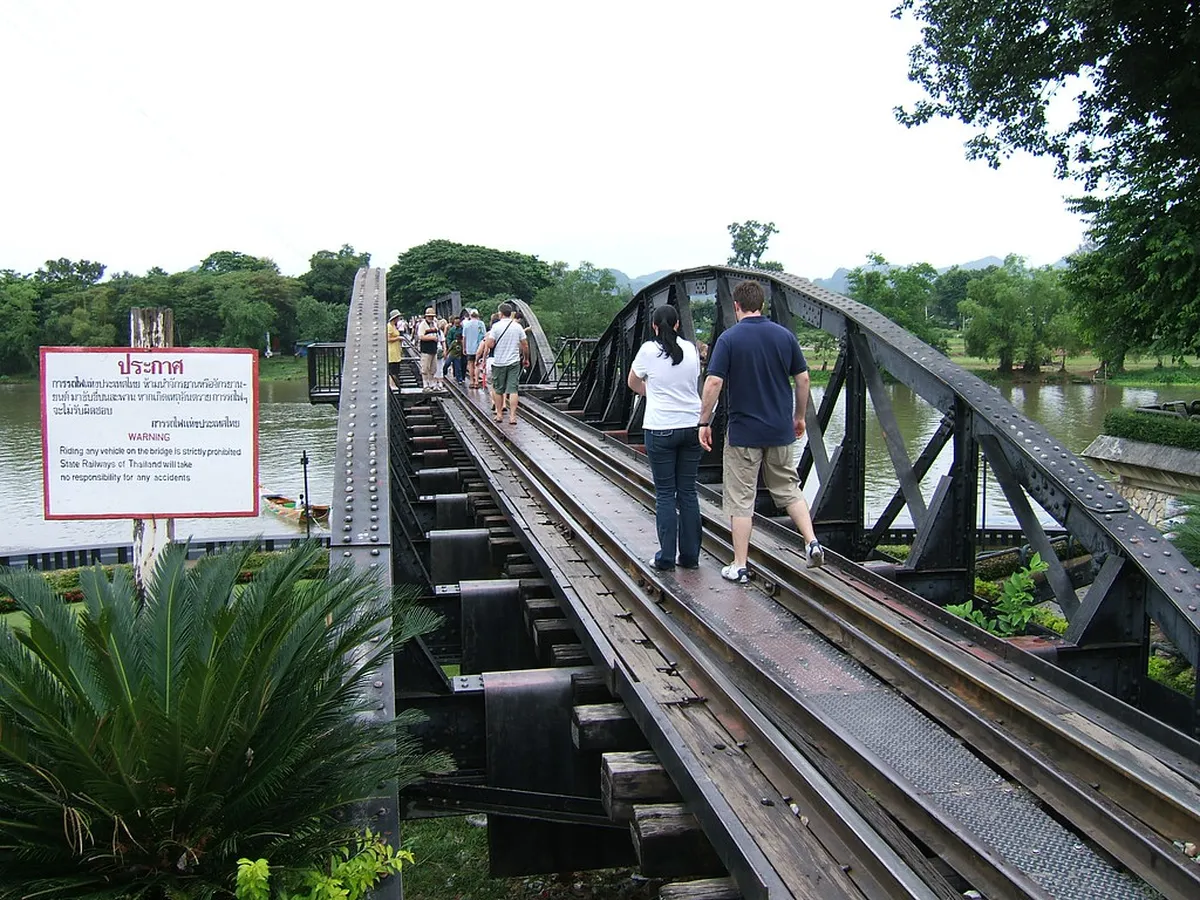
Start your morning at the Bridge over the River Kwai. This iron bridge is the centerpiece of the railway history. You can walk across the bridge on dedicated side platforms. Be careful when trains are scheduled to pass through the area.
Next, follow the tracks toward the nearby war museums. Consider joining a free walking tour in Kanchanaburi for extra context. Guides often share stories that you cannot find in books. The walk between sites is mostly flat and easy to navigate.
Visit the Kanchanaburi War Cemetery in the early afternoon. This site is a peaceful place to honor those who fell. The rows of headstones tell a very powerful and sad story. Please maintain a quiet and respectful tone while inside the grounds.
Finish your walk by exploring the local riverside paths. These paths offer great views of the railway from a distance. You will find many small cafes for a well-deserved break. Reflection is a vital part of this specific walking experience.
- Day 1: Exploring the Bridge and Historic Museums
- Morning: Walk the Bridge over River Kwai.
- Afternoon: Visit the JEATH War Museum.
- Evening: Explore the Kanchanaburi Night Market.
- Time: Six to eight hours total.
- Logistics: Start early to avoid the heat.
- Optional: Take a local songthaew between sites.
Essential Tips for Your Death Railway Walking Tour Route
Success on this route requires some basic physical preparation. Check the preparing for Kanchanaburi walking tours guide for gear tips. Sunscreen and a wide-brimmed hat are absolutely essential items. The humidity in Thailand can drain your energy very quickly.
Always carry a reusable water bottle to reduce plastic waste. Many local shops sell cold drinks along the main road. Try to avoid walking during the peak heat of midday. Finding shade near the museums is a good strategy for breaks.
The railway tracks can be slippery after a sudden rain shower. Watch your step on the wooden sleepers and iron beams. Keep your camera ready for the beautiful riverside landscapes. However, remember to stay aware of your surroundings at all times.
Respectful clothing is required when entering certain museum areas. Covering your shoulders and knees is a sign of local respect. Many visitors forget this while walking in the hot weather. Carry a light sarong to use when you enter sacred spaces.
Best Areas to Stay in Kanchanaburi
Choosing the right base makes your walking tour much easier. The riverside area offers many beautiful and quiet guesthouses. You can find the Kanchanaburi walking tour meeting points nearby. Staying close to the bridge saves you time in the morning.
The city center is better for those who love night markets. It offers more food options and easy access to transport. Budget travelers often prefer the hostels located near the station. Most accommodation options are very affordable for international tourists.
Look for places that offer bicycle rentals for extra mobility. Biking can be a great way to reach further railway sections. Some resorts even offer private boat tours on the river. Check online reviews to find the best service and comfort.
Booking in advance is recommended during the peak winter season. Kanchanaburi is a popular weekend escape for people from Bangkok. Mid-week visits are usually much quieter and more relaxed. Enjoy the local hospitality and the peaceful river atmosphere.
Historical Context of the Death Railway
🌟 Local Expert Tip: Get the most out of your Kanchanaburi visit with guided tours!
The Death Railway was built during the Second World War. It was intended to connect Thailand with Burma for supplies. The best time for Kanchanaburi walks is during the dry season. This allows you to see the structures without heavy rain.
Thousands of laborers and prisoners died during the construction. The harsh conditions and disease took a massive human toll. Walking the route helps you honor their difficult labor. It is a sobering reminder of the costs of war.
Today, the railway serves as a living memorial and museum. Some sections are still used by local passenger trains today. Preservation efforts ensure that the history is never forgotten. Education is the primary goal of the local heritage sites.
Take time to read the plaques at each major stop. They provide specific details about the engineering and the workers. The JEATH museum offers a look at the bamboo huts used. Understanding the past makes the walk much more meaningful.
Frequently Asked Questions
Is it safe to walk on the Death Railway tracks?
Yes, walking on the tracks is generally safe in designated areas. You must stay alert for approaching trains and use side platforms on bridges. Always wear sturdy shoes to avoid tripping on the uneven wooden sleepers.
How long does the walking tour route take?
A standard walking tour usually takes between four and six hours. This includes stops at the bridge, museums, and the war cemetery. You should allow extra time for rest breaks and photography along the river.
Do I need a guide for the walking tour?
While you can walk the route alone, a guide provides valuable historical context. They share stories of the prisoners and explain the engineering challenges. Many visitors find that a guide makes the experience much more impactful.
The Death Railway walking tour route is a profound journey through history. It offers a chance to reflect on the past while enjoying nature. Be sure to follow our free tour tipping guide for Thailand if you use a guide. Properly thanking your local guide supports the community and its stories.
For more travel inspiration, visit our homepage for global guides. Kanchanaburi will leave a lasting impression on your heart and mind. Safe travels as you explore this historic corner of Thailand. May your walking tour be both educational and deeply moving.