
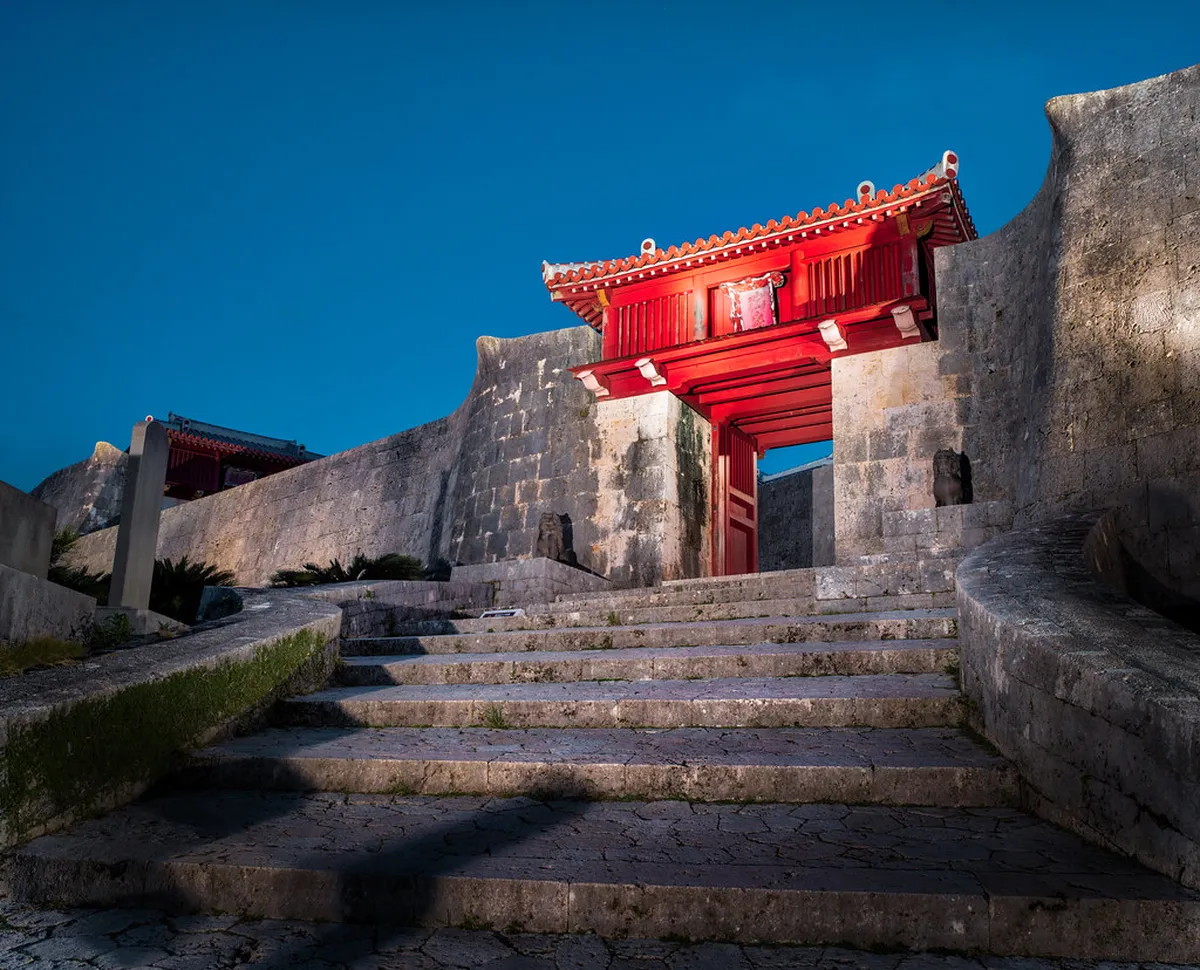
When is the Best Time for Naha Walking Tours?
The best time for Naha walking tours is during the mild months of November or March. These periods provide cool breezes and low humidity which make exploring the city streets very pleasant. You will avoid the intense summer heat that often makes outdoor activities difficult for most visitors. Planning your trip around these months ensures you can walk comfortably between the major historical sites.
Understanding the subtropical climate of Okinawa is essential for anyone traveling to Japan this year. The weather patterns in Naha vary significantly between the humid summer and the dry, windy winter season. Selecting the right month will help you avoid heavy rain and the potential for seasonal typhoon disruptions. Our guide breaks down every season to help you choose the perfect window for your walking adventure.
Naha offers a unique blend of historical Ryukyu culture and modern Japanese city life for every curious traveler. Walking tours are the most intimate way to experience the local markets and hidden back alleys of Okinawa. Each season brings a different atmosphere to the city streets from cherry blossoms to vibrant summer festivals. Read on to discover which month aligns best with your personal travel style and weather preferences.
Understanding the Best Time for Naha Walking Tours
Learn more at Lonely Planet Naha Guide.
Learn more at Gusuku Sites and Related Properties of the Kingdom of Ryukyu.
Exploring the capital of Okinawa on foot allows you to see many hidden gems and historic landmarks. The top sights on Naha walking tours are best enjoyed when the sun is not too strong. You should plan your route carefully to include both traditional Shuri Castle and the modern city center. Most guided tours last about two to three hours which requires a comfortable environment for outdoor walking.Spring brings beautiful cherry blossoms and pleasant temperatures that range from twenty to twenty-five degrees Celsius. This is a very popular time for tourists so you should book your guided walks well in advance. Walking through the city during the afternoon provides excellent lighting for your travel photos and vacation memories. The humidity remains low during the spring months which prevents you from feeling tired during long excursions.
Many travelers choose to join a free walking tour in Naha during the dry autumn months. These tours offer a great introduction to the local culture without requiring a large upfront financial commitment. You will learn about the history of the Ryukyu Kingdom from guides who live in the area. Autumn skies are often clear and blue which makes the colorful architecture of the city stand out.
Autumn also features several cultural festivals that bring the streets to life with music and traditional dances. The weather remains warm enough for light clothing but the humidity levels drop significantly after the summer. This combination creates the perfect environment for spending several hours exploring the city on your own feet. Visiting in October or November allows you to enjoy the outdoors without the risk of extreme heat.
Season Comparison
Comparing the seasons helps you understand the trade-offs between weather quality and the total cost of travel. While winter offers the lowest prices for hotels and tours it can also be quite windy and cool. Summer provides the most vibrant island atmosphere but the heat can be quite punishing for active walking tours. You should weigh your tolerance for humidity against your desire to see specific seasonal events and festivals.
The table below provides a quick reference for the conditions you can expect during each part of the year. Use this data to align your walking tour expectations with the reality of the Okinawan subtropical climate. Keep in mind that weather patterns can vary slightly from year to year based on regional atmospheric changes. Preparation is the key to enjoying your time in Naha regardless of which month you choose to visit.
Crowd levels are another important factor to consider when planning your daily walking routes through the city. Popular areas like Kokusai Dori can become very crowded during the peak summer and spring holiday periods. If you prefer a quieter experience you might consider visiting during the shoulder seasons of late autumn or winter. A quieter city allows for a more personal connection with your guide and easier movement through narrow streets.
| Season | Weather | Crowds | Prices | Events | Best for |
|---|---|---|---|---|---|
| Spring | 20-25C | Moderate | High | Cherry Blossoms | Flowers |
| Summer | 28-32C | High | Peak | Naha Hari | Festivals |
| Fall | 22-27C | Moderate | Average | Otsunahiki | History |
| Winter | 15-20C | Low | Low | Cherry Blossoms | Value |
Walking Through the Rainy Season and Typhoons
The rainy season in Naha typically begins in early May and continues until the end of June. During this time you should expect frequent heavy showers and very high levels of humidity every single day. Walking tours often continue in light rain but may be cancelled if the weather becomes too severe for safety. It is wise to have a backup plan involving indoor museums or shopping centers during these wet weeks.
If you must visit during the rainy season you can still enjoy a self-guided Kokusai Dori walking route under the covered arcades. These covered streets protect you from the rain while allowing you to see the vibrant local market culture. You can find many traditional crafts and delicious street foods while staying completely dry under the sturdy roofs. This is a great way to experience the city when the outdoor weather is not cooperating with your plans.
Typhoon season presents a different challenge as it usually peaks between the months of July and September. Strong winds and heavy rain can lead to the cancellation of all outdoor tours and public transportation services. You should monitor local weather reports closely if you plan to visit Naha during the late summer months. Most hotels will provide safety information and updates if a major storm is approaching the island of Okinawa.
Despite these weather risks the summer season remains a popular time for those who enjoy the tropical sun. The ocean is at its warmest and the city feels very alive with many seasonal events and parties. Just be prepared to adjust your walking schedule to the early morning or late evening to avoid heat. Early morning walks allow you to see the city waking up before the temperature reaches its daily peak.
Pick X If
🎯 Insider Tip: Discover the best Naha experiences with Viator Tours!
Choosing the right time to visit Naha depends heavily on what you value most during your travel experience. Some travelers prioritize perfect weather for photography while others are looking for the best possible financial deals. By identifying your primary travel goals you can select a month that maximizes your enjoyment of the city. Our recommendations cater to four common types of travelers who visit Okinawa for walking tours and exploration.
Budget travelers will find that the winter months offer the most significant savings on flights and local accommodation. While the weather is cooler you can still enjoy walking without the intense crowds found in the spring. You might find that your favorite local restaurants are easier to enter without waiting in long outdoor lines. This season is perfect for those who want to see Naha without spending a large amount of money.
Culture enthusiasts should aim for the autumn months to witness the massive Naha Giant Tug-of-War festival in October. This event draws thousands of participants and spectators to the streets for a truly unforgettable historical experience. The energy in the city is incredible and the weather is usually perfect for standing outdoors all day. It is an excellent opportunity to see the local community come together for a traditional Ryukyu celebration.
- Pick spring if you want
- Mild weather and cherry blossoms
- Pick summer if you want
- Festivals and vibrant beach vibes
- Pick autumn if you want
- Clear skies and comfortable walking
- Pick winter if you want
- Fewer crowds and cheaper prices
What to Pack
🎯 Insider Tip: Discover the best Naha experiences with Viator Tours!
Packing the right gear is essential for a successful walking tour in the varied climate of Naha. Your choice of clothing should reflect the specific month you plan to spend exploring the city on foot. Subtropical weather can change quickly so having versatile layers is always a smart strategy for any traveler. Focus on comfort and protection from the elements to ensure you can focus on the sights around you.
During the summer months you must prioritize sun protection and moisture-wicking fabrics to stay cool and dry. The sun in Okinawa is much stronger than in mainland Japan so a hat is a mandatory item. You should also carry a small towel to wipe away sweat during your long walks through the city. Staying hydrated is critical so always keep a bottle of water in your day pack at all times.
Winter visitors will need a light jacket or windbreaker to protect against the chilly breezes from the ocean. While it rarely gets freezing the wind can make the air feel much colder than the actual temperature. Comfortable walking shoes are a requirement for every season to prevent blisters and foot fatigue during your tour. Make sure your shoes are broken in before you arrive in Naha to avoid any physical discomfort.
- Pack light breathable clothing
- For humid summer walking tours
- Bring a sturdy travel umbrella
- To handle sudden tropical rain
- Wear comfortable walking shoes
- For long city exploration days
- Carry a reusable water bottle
- To stay hydrated while walking
Maximizing Your Experience in Every Season
To get the most out of your visit you should learn how to join Naha free tours online. Booking your spot in advance ensures that the guide can prepare for the size of the walking group. Most tours start at a central location that is easy to reach by the local monorail system. Arriving ten minutes early allows you to meet your fellow travelers and settle in before the walk begins.
The monorail is the most convenient way to travel between different districts of the city for your walking tour. It offers great views of the urban landscape and connects the airport directly to the city center area. You can purchase a day pass if you plan to use the train multiple times during your exploration. This is especially helpful during the hot summer months when you want to minimize your time in the sun.
You should also know where to meet Naha walking guides to avoid any confusion on the day. Most guides wait near major landmarks or monorail stations with a visible sign or a specific colored shirt. Check your confirmation email carefully for the exact meeting point and the contact details of your tour guide. Being punctual shows respect for the guide and the other people who are participating in the walking tour.
Finally remember to bring some small bills if you plan to tip your guide at the end of the walk. While tipping is not common in Japan it is often appreciated for these specific types of community tours. A small gesture of thanks goes a long way in supporting the local experts who share their knowledge. Enjoy your time exploring the beautiful and historic streets of Naha in any season you choose.
Frequently Asked Questions
What is the rainy season in Naha?
The rainy season in Naha typically starts in May and lasts until late June. You should expect high humidity and frequent heavy showers during this specific time of year.
Is Naha too hot for walking tours in August?
August is very hot with temperatures often exceeding thirty degrees Celsius. You should join early morning or late evening tours to avoid the most intense midday heat and sun.
Can I see cherry blossoms during a Naha walking tour?
Yes, you can see cherry blossoms in Naha starting as early as late January or February. This is much earlier than in mainland Japan due to the warm subtropical climate of Okinawa.
Finding the best time for Naha walking tours depends on your personal preferences for weather and crowd levels. We recommend visiting in November or March for the most comfortable walking conditions and beautiful clear blue skies. Before you go you should read our Naha free walking tour tipping guide for local etiquette. This will ensure you are fully prepared for a respectful and enjoyable cultural experience in Okinawa.
Naha is a city that rewards those who take the time to explore its streets on foot throughout the year. Whether you choose the festive summer or the quiet winter you will find something unique to enjoy in Japan. Pack your walking shoes and get ready to discover the rich history and vibrant life of this island capital. We hope this guide helps you plan the perfect trip to Naha for your next walking adventure.