
Choosing the Best Time of Day for Walking in Jakarta
The best time of day for walking in Jakarta is early morning or late afternoon during the dry season. This sprawling capital city experiences intense tropical heat that can make outdoor activities very difficult during the midday. Planning your strolls around the cooler hours ensures a much more comfortable experience for any visitor to the region. Jakarta offers a unique blend of modern skyscrapers and historical sites that are best explored on foot when possible.
Humidity levels in Indonesia remain consistently high throughout the year which adds to the perceived temperature for most travelers. Walking between six and nine in the morning allows you to see the city waking up without extreme sweat. The late afternoon window after four o'clock provides a softer light and a cooler breeze from the nearby sea. Understanding these daily patterns is essential for anyone wanting to enjoy a free walking tour in Jakarta comfortably.
Traffic congestion also plays a major role in determining when you should choose to walk through the busy streets. During peak commuter hours the air quality can drop significantly due to the high volume of motorized vehicles nearby. Selecting the right time helps you avoid the worst pollution while enjoying the vibrant local culture and street food. This guide covers everything you need to know about timing your walks for the best possible experience in Jakarta.
Optimal Hours for Exploring the City
For the most up-to-date details, check Enjoy Jakarta before you go.
Learn more at Wonderful Indonesia.
The early morning hours provide the most refreshing atmosphere for anyone looking to explore the city streets on foot. Temperatures are at their lowest point just after sunrise before the concrete jungle begins to absorb the solar heat. You will find many locals exercising in public parks or along the main avenues during this peaceful time of day. It is also the perfect time to visit local markets where vendors are most active with fresh tropical produce.If you prefer evening strolls wait until the sun begins to set around six o'clock in the late afternoon. The city takes on a different energy as the neon lights flicker on and the night markets start their service. Walking at night is generally cooler but you must remain aware of your surroundings in the busy urban environment. Many residents enjoy walking in the evening to socialize and sample the wide variety of affordable Indonesian street snacks.
Midday walking should be avoided between eleven in the morning and three in the afternoon whenever it is possible. The sun is directly overhead during these hours and the lack of shade can lead to rapid heat exhaustion. If you must be outside during the day try to stick to air-conditioned malls or shaded historical corridors for safety. Many travelers choose to take a break or use public transport during the hottest part of the Indonesian day.
Sunday mornings offer a special opportunity for pedestrians because the city hosts a weekly car-free day on main roads. From six until eleven in the morning major thoroughfares like Jalan Thamrin are closed to all motorized traffic for residents. This is the absolute best time of day for walking in Jakarta if you want to experience wide open spaces. You can join thousands of people cycling or jogging while enjoying a rare moment of quiet in the bustling metropolis.
For those interested in history the morning light provides the best conditions for viewing the colonial architecture in Kota Tua. You can learn how to join a jakarta free walking tour to see these sites with a guide. Starting early ensures you finish your tour before the heavy rains typically arrive in the late afternoon or evening. Most organized walking groups schedule their departures early to maximize the comfort and safety of all their participants.
Season Comparison
Jakarta has two distinct seasons that significantly impact the quality of walking throughout the various neighborhoods in the city. The dry season typically runs from May to September and offers the most predictable weather for outdoor walking activities. During these months you can expect clear skies and lower humidity which makes long distances much easier to manage. It is the peak tourist season so you may encounter more people at popular landmarks and historical walking routes.
The rainy season usually starts in October and lasts until April with the heaviest downpours occurring in January and February. Walking during this time requires a flexible schedule as sudden thunderstorms can flood streets within a very short period. Rain usually falls in the late afternoon so morning walks are still possible if you watch the sky carefully. Puddles and slippery sidewalks are common hazards that pedestrians must navigate during the wet months of the year.
Despite the rain the wet season brings a lush green beauty to the city parks and more manageable temperatures. Prices for accommodation and some services may be lower during the rainy months because fewer international tourists visit then. You can often find great deals if you are willing to carry an umbrella and adjust your walking plans. Check the how to reach jakarta old town meeting points guide for indoor transit options during rain.
Air quality tends to improve during the rainy season as the frequent showers help wash away the urban smog. This can make breathing easier for those who are sensitive to pollution while walking near the major traffic arteries. Always check the local weather forecast before heading out for a long stroll to avoid getting caught in floods. The transition months between seasons often feature unpredictable weather that can change from sunny to stormy in minutes.
| Season | Weather | Crowds | Prices | Events | Best for |
|---|---|---|---|---|---|
| Spring (Mar-May) | Humid/Rainy | Moderate | Average | Eid Al-Fitr | Local Culture |
| Summer (Jun-Aug) | Dry/Sunny | High | High | Jakarta Day | Sightseeing |
| Fall (Sep-Nov) | Transition | Moderate | Lower | Art Jakarta | Photography |
| Winter (Dec-Feb) | Very Wet | Low | Lowest | New Year | Museums |
Pick X If
Choosing the right time to walk depends heavily on your personal travel style and what you hope to see. Some people enjoy the quiet solitude of the early morning while others prefer the vibrant chaos of the night. Jakarta is a city of contrasts and different hours reveal different layers of its complex social fabric and history. Consider your physical fitness and tolerance for heat before deciding on a specific window for your daily walking tour.
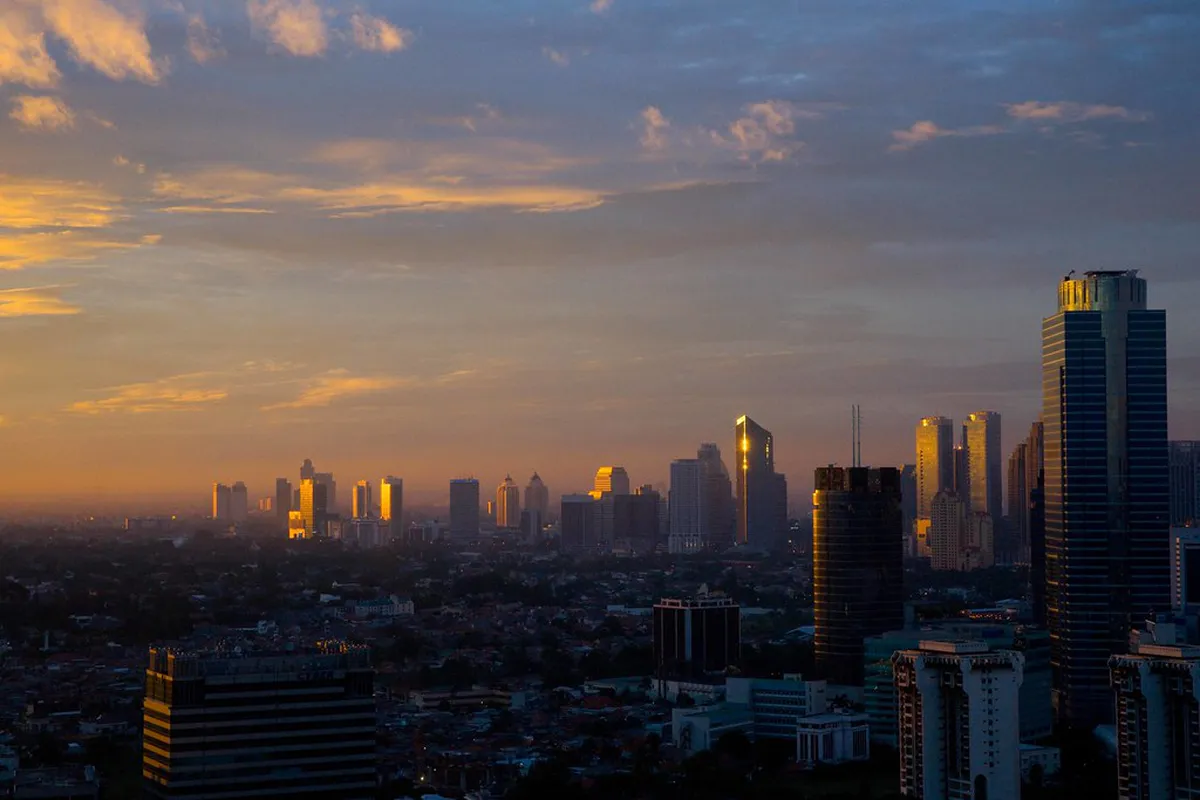
Photographers should aim for the golden hour just before sunset to capture the best light on the city skyline. The reflection of the setting sun on the glass buildings provides a stunning backdrop for modern urban photography shots. You can follow a kota tua jakarta self-guided walking tour route for classic colonial photo opportunities. Ensure your camera gear is protected from the high humidity which can sometimes cause fogging on your expensive lenses.
Families with children might find the Sunday car-free morning to be the safest and most enjoyable time for walking. The lack of cars allows kids to move more freely without the constant worry of heavy traffic or exhaust. There are often street performers and food stalls that provide entertainment for the whole family during these weekend events. It is a great way to experience the local community spirit in a relaxed and very festive atmosphere.
Budget travelers can save money by walking during the cooler hours and using public transport during the expensive peak times. Walking allows you to discover hidden gems and local eateries that are often missed when traveling by car or bus. You might want to research the average tip for free walking tours in jakarta to plan your daily expenses. Walking is the most affordable way to see the city if you can manage the tropical weather conditions effectively.
- Pick morning walks if you want
- Cooler air and local markets
- Pick evening walks if you want
- Night markets and city lights
- Pick the dry season if you want
- Reliable weather and clear skies
- Pick Sunday mornings if you want
- Car free roads and exercise
What to Pack
Packing the right gear is essential for a successful walking experience in a tropical environment like Jakarta. The combination of heat and humidity means you should choose clothing that allows your skin to breathe easily. Natural fabrics like cotton or linen are much better than synthetic materials that trap heat against your warm body. Always wear comfortable shoes that have been broken in to avoid painful blisters during your long city explorations.
Sun protection is vital even if you are walking during the early morning or late afternoon hours in Indonesia. The tropical sun is very strong and can cause burns even on cloudy days due to the high UV index. Carry a small bottle of sunscreen and a hat to protect your face and neck from direct solar radiation. Lightweight long sleeves can also provide protection while keeping you relatively cool if the fabric is sufficiently thin.
Hydration is the most important factor to consider when walking for several hours in the humid Jakarta climate. You should carry a reusable water bottle and refill it frequently at reputable sources or buy bottled water. Drinking plenty of fluids helps prevent heat stroke and keeps your energy levels high throughout your busy day. Many local convenience stores are open twenty-four hours a day where you can purchase cold drinks and snacks.
A compact umbrella is a versatile tool that provides both shade from the sun and protection from sudden rain. Indonesian weather can change rapidly and having an umbrella ensures you do not get soaked during a tropical downpour. It is also useful for creating your own shade when walking through areas with very few trees or buildings. Check out the top-rated free walking tour groups in jakarta for more specific local packing advice.
- Lightweight cotton clothing
- Breathable and keeps you cool
- Durable walking shoes
- Prevents blisters and foot pain
- Compact travel umbrella
- Protects from sun and rain
- Reusable water bottle
- Essential for staying hydrated daily
Monthly Weather and Walking Conditions
🌟 Local Expert Tip: Get the most out of your Jakarta visit with guided tours!
January and February are typically the wettest months in Jakarta with a high risk of localized urban flooding. Walking can be difficult during this time as many sidewalks may be underwater or blocked by debris from storms. It is best to focus on indoor attractions like the National Museum or various art galleries during these months. Always monitor local news for flood warnings before attempting to walk long distances in the northern coastal areas.
The months of June through August offer the most consistent sunshine and the lowest probability of rainfall for visitors. This is the best time of day for walking in Jakarta because the ground remains dry and stable for pedestrians. You can plan longer routes without the fear of being stranded by a sudden and heavy tropical thunderstorm. However the heat can still be intense so the morning and evening rules still apply for your comfort.
September and October are transition months where the weather begins to shift from dry to wet once again. You might experience hot sunny mornings followed by very dramatic and loud thunderstorms in the late afternoon hours. This is a good time for short walks near your accommodation where you can quickly find shelter if needed. The air often feels very heavy and humid just before a storm breaks which can be physically taxing.
April and May see the end of the monsoon season and a gradual decrease in the frequency of daily rain. The city is often very green and beautiful during this time before the dust of the dry season sets in. It is a pleasant time for walking through the many public parks like Lapangan Banteng or the Monas grounds. Visit our homepage for more updates on seasonal travel trends and tips for Indonesia.
Navigating Jakarta Traffic and Crowds
Jakarta is famous for its heavy traffic which can make walking near main roads a very noisy experience. Try to plan your routes through smaller side streets or residential areas where the traffic volume is much lower. Pedestrian infrastructure is improving but you should still be careful when crossing busy intersections without traffic lights. Always use the elevated pedestrian bridges when they are available to cross the massive multi-lane highways safely.
The crowds are thinnest in the early morning before the office workers arrive for their daily shifts at nine. Walking during the lunch hour can be overwhelming as thousands of people head out to find food at once. If you enjoy people-watching the evening is the best time to see the city in its most active state. Be prepared for narrow sidewalks that may be partially blocked by street vendors or parked motorcycles in some areas.
Using the TransJakarta bus system can help you skip the less walkable sections of the city between your destinations. Many bus stations are connected to pedestrian bridges that make it easier to reach your desired walking start point. This combination of walking and public transit is the most efficient way to see a large city like Jakarta. It allows you to save your energy for the most interesting historical or cultural districts that deserve exploration.
Safety is generally good for pedestrians but it is always wise to keep your belongings secure in crowded areas. Avoid walking alone in poorly lit or deserted areas late at night just as you would in any city. Stick to the well-known tourist paths and commercial districts if you are unfamiliar with the local geography and layout. The people of Jakarta are generally very friendly and helpful if you need directions or assistance while walking.
Frequently Asked Questions
Is it safe to walk in Jakarta at night?
Walking in Jakarta at night is generally safe in busy commercial and tourist areas. You should stay in well-lit sections and keep your belongings secure. Avoid deserted side streets after dark to ensure your personal safety.
When is the car-free day in Jakarta?
Jakarta hosts a car-free day every Sunday morning from 6 AM to 11 AM. Major roads like Jalan Thamrin and Sudirman are closed to vehicles. This is the best time for pedestrians to enjoy the city streets.
What should I wear for a walking tour in Jakarta?
Wear lightweight and breathable clothing made from natural fibers like cotton. Comfortable walking shoes are essential for navigating uneven sidewalks. Bring a hat and sunglasses to protect yourself from the strong tropical sun.
Finding the best time of day for walking in Jakarta makes a significant difference in your overall travel experience. By sticking to the early morning or late afternoon you can avoid the worst of the heat and humidity. The dry season from May to September remains the most reliable time for planning outdoor adventures and city strolls. Always stay hydrated and carry an umbrella to prepare for the unpredictable nature of tropical Indonesian weather.
Whether you are exploring historical sites or modern malls walking allows you to connect with the local culture deeply. Jakarta is a vibrant city that rewards those who take the time to explore its streets at a slower pace. Plan your next walk carefully and enjoy the unique sights and sounds of this massive Southeast Asian capital.